
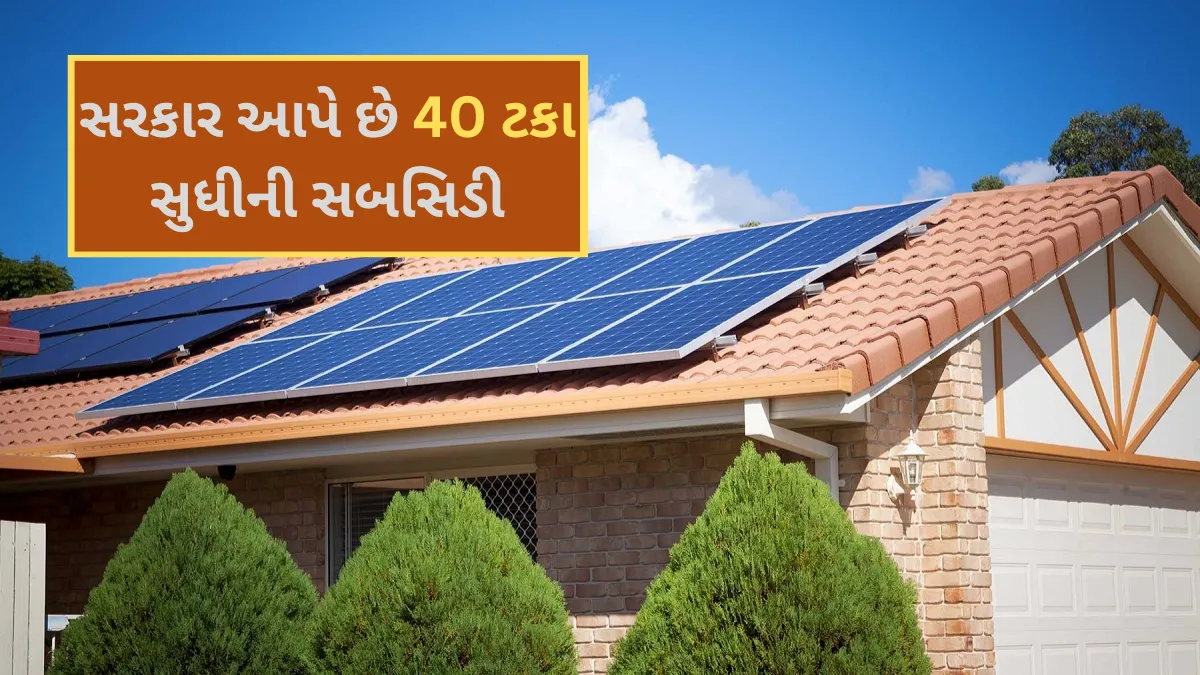
PM Surya Ghar Muft Bijli Yojana 2025 Rising electricity costs are becoming a major burden for household budgets across India. In response to this growing concern, the Central Government has launched a transformative initiative known as the PM Surya Ghar Muft Bijli Yojana. This scheme, often referred to as the Solar Rooftop Subsidy Scheme, aims to provide relief to citizens by encouraging the adoption of solar energy.
By participating in this program, homeowners can receive a direct subsidy of up to ₹78,000 and drastically reduce their monthly electricity expenses. Here is everything you need to know about the scheme, the financial benefits, and the application process.
Key Overview of the Solar Rooftop Subsidy Scheme
To give you a quick understanding of the scheme, we have summarized the most important details in the table below.
| Feature | Details |
| Scheme Name | PM Surya Ghar Muft Bijli Yojana (Solar Rooftop Subsidy) |
| Maximum Subsidy | Up to ₹78,000 |
| Primary Goal | Free electricity for 1 crore Indian households |
| Cost Savings | Reduction in electricity bills by over 30% to 100% |
| Application Mode | 100% Online Process |
| Benefit Transfer | Direct Benefit Transfer (DBT) to Bank Account |
Why You Should Switch to Solar Energy
The primary objective of this government initiative is to reduce the dependency on traditional power sources and promote clean, renewable energy. However, the benefits for the common citizen go far beyond just environmental protection.
Drastic Reduction in Bills:
The most immediate benefit is financial. By generating your own power, you draw less electricity from the grid, leading to massive savings on your monthly bill. In many cases, bills can drop to zero.
Reliable Power Supply :
India often faces power cuts during peak summers. A solar system equipped with a battery backup ensures that your home remains powered even when the main grid goes down.
Income Generation Opportunity :
This scheme utilizes a net-metering system. If your solar panels generate more electricity than your household consumes, the surplus power is sent back to the grid. The electricity distribution company (DISCOM) then compensates you for this extra units, creating a new source of income.
Long-Term Investment :
Installing solar panels is a one-time investment that pays off for decades. Once installed, these systems typically require minimal maintenance and can provide free electricity for 20 to 25 years.
Understanding the Subsidy Amount
The government has designed the subsidy structure to be highly attractive for residential users. The amount of financial assistance you receive is directly linked to the capacity of the solar plant you install.
For residential households, the subsidy is generally capped at 3 kW capacity. Under the new guidelines of the PM Surya Ghar Yojana, eligible households can receive a subsidy of up to ₹78,000 for a 3 kW system.
The best aspect of this process is the transparency. The government uses Direct Benefit Transfer (DBT) to send the subsidy amount directly to your linked bank account. This eliminates the need for middlemen and ensures that the beneficiary receives the full amount without deductions.
Eligibility Criteria and Required Documents
Before starting the application, you must ensure you meet the basic eligibility requirements set by the Ministry of New and Renewable Energy.
Who Can Apply :
The applicant must be a permanent resident and citizen of India.
The house where the panels will be installed must have a valid electricity connection in the applicant’s name.
The applicant or their household should not have availed of a solar subsidy for the same premises previously.
Required Documents :
To complete the KYC and application process, you will need to keep the following documents ready:
- Aadhaar Card
- PAN Card
- Recent Electricity Bill
- Bank Account Passbook (for subsidy transfer)
How to Apply Online Step by Step
The government has simplified the procedure by making it completely digital. You can apply from the comfort of your home by following these steps:
Step 1 Registration
Visit the official National Portal for Rooftop Solar or the PM Surya Ghar website. Register by selecting your state, electricity distribution company, and entering your consumer account number.
Step 2 Application Submission
Log in with your mobile number. Fill out the application form with your address and rooftop details. Once filled, submit the form for feasibility approval.
Step 3 Installation
After receiving feasibility approval from your local DISCOM, you can get the plant installed. It is mandatory to use any of the registered vendors listed on the portal to be eligible for the subsidy.
Step 4 Inspection and Commissioning
Once installation is done, submit the plant details online and apply for a net meter. The DISCOM officials will inspect the installation and install the net meter.
Step 5 Receive Subsidy
After the inspection is successful, you will receive a commissioning certificate. Log in to the portal one last time, enter your bank account details, and upload a cancelled cheque. The subsidy of up to ₹78,000 will be credited to your account within 30 days.
Conclusion
The Solar Rooftop Subsidy Yojana is a golden opportunity for Indian families to secure their energy future. With the government bearing a significant portion of the cost, solar energy is now more affordable than ever. By applying today, you not only save money but also contribute to a greener India. Do not wait for electricity prices to rise further; take advantage of this scheme and make your home self-sufficient.